Seamless Rain Gutters Phoenix: When to Install Them for Maximum Protection
Desert rain in Phoenix may be rare, but when it comes, it’s fierce—and homeowners often realize too late that Seamless Rain Gutters Phoenix aren’t a luxury but a necessity. A ten-minute storm can unleash torrents of water from your roof, and without a reliable drainage system in place, the consequences range from foundation cracks to rotted fascia boards and skyrocketing repair bills.
The truth is, many property owners delay the decision until damage is already done. But knowing the right time to install seamless rain gutters is a strategic move—one that can prevent costly issues and strengthen your home’s long-term resilience.
What follows is a deep dive into exactly when and why you should install them—and what you risk if you don’t.
Why Seamless Rain Gutters Are Critical in Phoenix
Homeowners in Phoenix often underestimate the impact of rain due to the desert climate. However, even a brief but heavy storm can channel hundreds of gallons of water down your roofline. When uncontrolled, this water can erode the soil around your home, cause cracks in your foundation, flood basements, and contribute to mold development on your home’s exterior. The paint on your walls and the integrity of your wooden trim may also suffer serious damage.
Unlike sectional gutter systems, seamless rain gutters are custom-crafted to fit your home perfectly, which means fewer leaks, fewer clogs, and a clean, modern look that blends well with Phoenix’s architectural styles. When installed at the optimal time, their performance is not only reliable—it’s exceptional.
The Best Time to Install Seamless Rain Gutters in Phoenix
The ideal window for installing seamless gutters in Phoenix is between February and April. This pre-summer period gives homeowners a critical advantage. Installing during late winter or early spring allows you to get ahead of the seasonal monsoon storms that usually begin in June and continue through September.
Scheduling installation in these earlier months also means that gutter professionals are more likely to be available, allowing for quicker scheduling, more attentive service, and in many cases, better pricing. Spring weather also provides ideal rain gutter installation conditions since materials like aluminum perform best when they aren’t subject to extreme heat during handling and fitting.
What Happens If You Wait Too Long?
Waiting until summer to install gutters in Phoenix exposes your property to intense, wind-driven rainstorms. Once those storms begin, any lack of drainage infrastructure can lead to rapid pooling of water near your home’s foundation, which accelerates ground movement and slab shifting. When water overflows or spills from poorly positioned or non-existent gutters, it often seeps behind walls or beneath walkways, creating hidden mold, structural decay, and long-term issues that only reveal themselves once they’re expensive to fix.
It’s also important to remember that most homeowners’ insurance policies don’t cover damage that results from neglect or poor maintenance. Failing to install gutters before the rainy season may mean paying out of pocket for thousands in preventable repairs.
How to Know If You Need Seamless Rain Gutters Now
If water routinely collects near the base of your home after a storm or you’ve begun to notice water staining along your exterior walls and fascia boards, these are clear signals that drainage problems already exist. If the landscaping around your property looks washed out or uneven after rainfall, or if you’re seeing cracks in your walkways or concrete areas, these are signs that erosion is taking hold.
Additionally, if your current gutter system is leaking, sagging, rusting, or overflowing even during short storms, it’s already failing to do its job. In Phoenix’s dry climate, such symptoms can remain hidden until the damage is widespread. Acting early can prevent a chain reaction of water-related destruction.
Seamless vs Sectional Gutters: What You’re Really Paying For
Seamless rain gutters offer a host of advantages that sectional systems simply cannot match. With seamless designs, the risk of leaks is drastically reduced since there are no joints or connections that weaken over time. Aesthetically, they present a sleeker, more modern appearance because the continuous material runs the full length of your roofline without visible breaks. They also require less maintenance than traditional gutters since fewer seams mean fewer debris blockages and clogs.
While sectional gutters may be cheaper upfront, they generally last only half as long and are far more likely to fail during Phoenix’s high-intensity storms. Seamless systems, though more of an investment initially, deliver decades of performance and visual appeal that ultimately add value to your home.
What Materials Are Best in Phoenix?
In Phoenix, not every gutter material performs equally under the stress of extreme sunlight and heat. Aluminum is by far the most popular choice because it’s lightweight, rust-resistant, and affordable. It holds up well in the sun and is easy to shape on-site for a seamless fit.
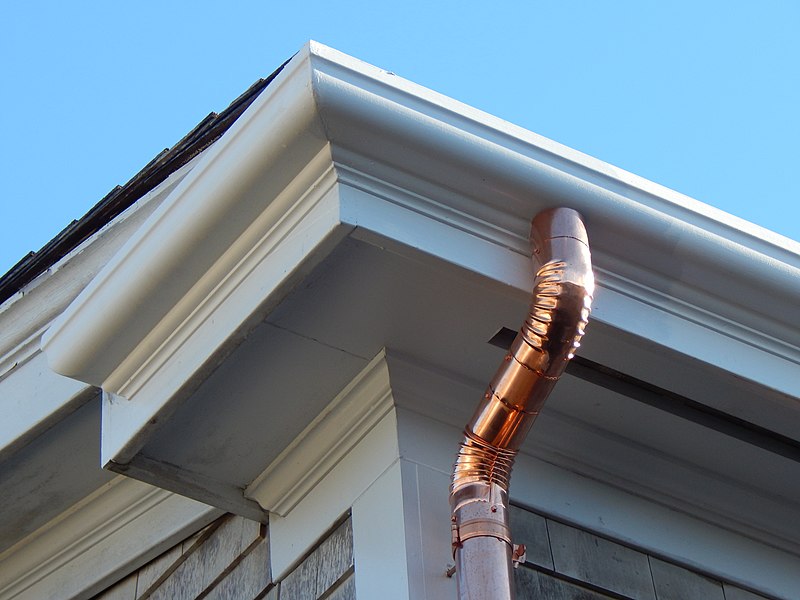
For homeowners seeking a more high-end finish, copper offers both style and exceptional longevity, though the cost is significantly higher. Galvanized steel is another option, though it requires protective coatings to resist rust in a dry climate. Galvalume, a blend of aluminum and zinc-coated steel, performs particularly well under intense solar exposure and offers a balance between strength and corrosion resistance.
When choosing any material, it’s wise to request baked-on enamel finishes, especially for aluminum. This type of finish helps prevent fading and wear from prolonged sun exposure.
Installation Insights Only Pros Know
Professional installation isn’t just about attaching metal to a roof—it’s a precise science that directly affects your home’s drainage efficiency. One of the most important details is the slope of the gutter. If it’s too flat, water stagnates and causes buildup. If it’s too steep, water rushes too quickly, missing downspouts entirely and causing splashback onto your walls.
Hidden hangers provide a more secure and visually appealing alternative to outdated spike systems. Phoenix homes should also include expansion joints in their gutter systems to accommodate metal expansion during extreme heat, which can warp gutters if unaddressed. Proper downspout placement is another critical factor. A misplaced downspout can undermine a walkway, flood garden beds, or send water against your foundation, compounding drainage problems.
FAQs About Seamless Rain Gutters in Phoenix
Although Phoenix is dry most of the year, seamless rain gutters are a smart investment because storms, when they do occur, are intense and often overwhelming. These systems help control the flow of rainwater, keeping it away from your home’s structural components. Installation typically takes just one day, as seamless gutters are fabricated on-site for an exact fit.
Costs in Phoenix range between $5 and $10 per linear foot depending on the material, home layout, and labor complexity, with aluminum offering the best value for most properties. For homes with nearby trees like mesquite or palo verde, gutter guards are highly recommended to reduce clogging and lengthen the life of the system.
Action Step: Protect Your Home Before Monsoon Season
The best time to safeguard your home is before the signs of damage appear. By installing seamless rain gutters in Phoenix before the monsoon season begins, you reduce your risk of structural issues and avoid emergency repairs when demand for gutter professionals is at its peak.
If you’re currently building a new home or replacing an outdated system, taking action before spring ends is your best opportunity to ensure your property is ready for whatever the summer brings. Don’t wait for warning signs to show up—be proactive and protect your investment now.
Final Thoughts: Timing Is Everything in Phoenix
In a climate as harsh and unpredictable as Phoenix, seamless rain gutters are more than an exterior upgrade—they’re a first line of defense for your entire property. Installing them early, especially before the heavy rains of summer, means lower risk, lower costs, and higher peace of mind. Instead of waiting for damage to force your hand, make the strategic choice now. The timing could make all the difference between long-term stability and costly regret.