
by admin | Jun 28, 2023
When it comes to tree health inspections, an arborist is the best professional to call. Arborist Mesa AZ is a certified professional who specializes in the care and maintenance of trees. A certified arborist has extensive knowledge of tree biology, ecology, and diseases that can harm trees. Hiring a certified arborist is important for tree health inspections and maintaining their long-term health. They can assess your trees’ health and suggest appropriate treatments or actions based on their expertise.
An Arborist in Mesa, AZ will provide the following services for homeowners:
Arborists are Equipped with Knowledge and Expertise
An Arborist in Mesa, AZ is an expert in tree biology and diseases, with extensive knowledge of the unique environmental conditions that Arizona’s trees must survive. An arborist has the expertise to recognize potential threats and evaluate the condition of a tree based on factors like growth patterns, foliage shape, and texture of the bark. By conducting a tree health examination, an arborist can offer valuable information on the possible reasons for observed problems such as soil conditions, environmental stressors, insect infestation, or diseases.
Arborists are highly trained professionals in the field of arboriculture and have access to advanced tools and technology that allow them to accurately diagnose and treat tree health issues. A certified arborist in Mesa, AZ will bring all the necessary equipment for a thorough inspection of your trees and provide a detailed report outlining any potential problems and recommending treatments or actions to take to keep your trees healthy.
Arborists Offer Comprehensive Assessment on Tree Health
An arborist can provide a comprehensive assessment of the health of your trees. From their experience in the field, they can identify potential issues that may be affecting your tree’s growth and health. They will take into account environmental factors such as soil quality, nearby vegetation, wind speed, and sun exposure as well as tree biology, such as the type of tree species and age. With this in-depth assessment, they can diagnose existing conditions or identify potential problems that may be present.
After assessing your trees’ health, an arborist can then provide recommendations on how to best improve their condition. This could include treatments for diseases or pests, fertilization techniques, pruning to promote growth or environmental modifications. Arborists can also guide how to properly care for your trees over the long term to keep them healthy and vibrant.

Cost-effectiveness and Preventive Maintenance
The risks of attempting tree health inspections on your own or hiring an uncertified arborist are numerous. DIY health inspections can be time-consuming, costly, and potentially dangerous if done incorrectly. Uncertified arborists may lack the necessary training to properly diagnose and treat any tree issues they find, leading to more expensive treatments in the long run.
Hiring a certified arborist for your tree health inspection is cost-effective and will ensure that any potential issues are accurately identified and treated as soon as possible. In addition, regularly scheduled tree health inspections can help prevent costly treatments down the road by allowing an arborist to catch problems before they become severe.
If you want to maintain the health and vibrancy of your trees, it is crucial to hire an arborist for a tree health inspection. Certified arborists have the expertise, experience, and knowledge of tree biology, ecology, and diseases needed to accurately identify potential threats or issues with your trees. With their comprehensive assessment of the health of your trees plus recommendations on how best to improve it, they can help save time, money, and effort in the long run by preventing costly treatments down the road. So don’t hesitate – call a certified arborist today to inspect your trees!
by admin | May 24, 2023
Trees are an essential part of the environment, providing both aesthetic and practical benefits. Healthy trees increase property value, improve air quality, reduce noise pollution, prevent soil erosion, and provide wildlife habitat. Unfortunately, tree diseases can put all these benefits at risk if left unchecked. Early detection of a sick tree is key to maintaining its health and preventing further damage or destruction from occurring. An arborist Phoenix can help diagnose a sick tree by examining its leaves, bark, or other features for signs of disease or distress. Knowing the warning signs associated with common tree diseases will allow you to contact an arborist quickly before the problem gets worse and more expensive to fix.
Visible Signs of Tree Distress
Leaf Abnormalities and Discoloration: Trees may experience discolored or deformed leaves due to disease. Common signs of leaf damage include yellow, brown, or spotted foliage. These abnormalities can be caused by various tree diseases such as Anthracnose, Verticillium wilt, and leaf spot diseases. In some cases, the entire leaf may turn yellow or brown and drop early.
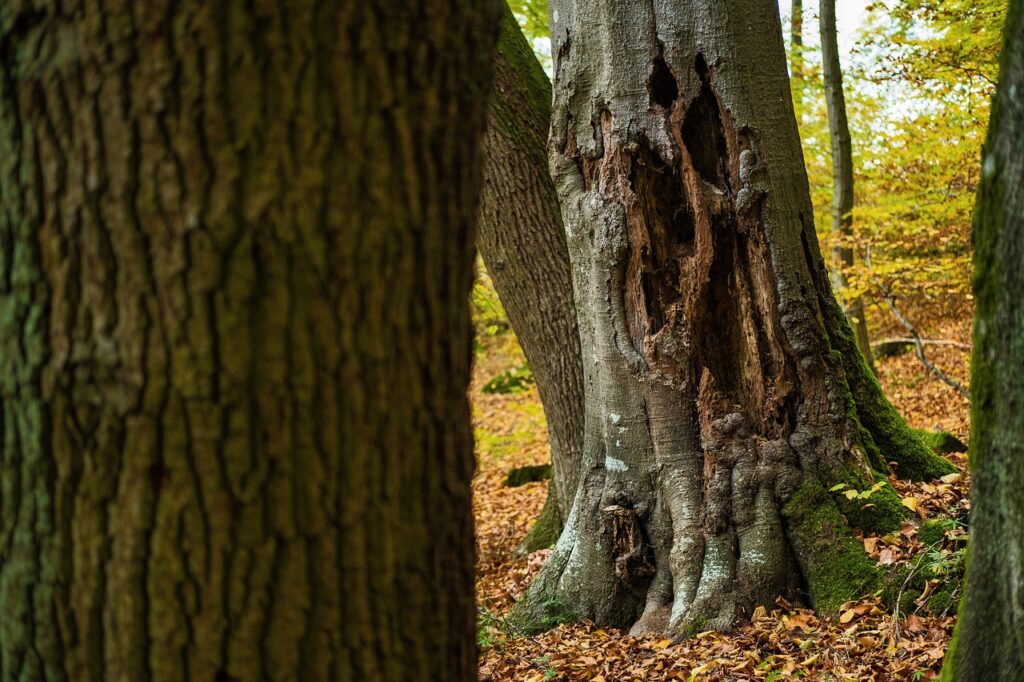
Bark Abnormalities and Discoloration: Some tree diseases cause bark discoloration or lesions on the outer surface of a tree. These lesions can appear as dark spots, lines, sunken areas, rough patches, or even oozing sap. Canker diseases, heart rot, and other fungal infections can cause bark abnormalities.
Unusual Fruiting Bodies: Fungal diseases produce fruiting bodies on tree trunks or branches. Mushrooms, shelf fungi, and conks are common types of fruiting bodies that may indicate a problem with the tree’s health.
Warning Signs of Structural Problems
Leaning or Unstable Tree Posture: A tree with an unstable posture is a sign of potential trouble. This could be a result of root damage due to construction, drought stress, animal activity, or improper pruning. Trees that are leaning significantly can pose a safety hazard and should be closely monitored. An arborist Phoenix can evaluate the tree, assess its stability, and suggest a corrective plan of action.
Dead or Dieback Branches: Trees may experience dieback, where the tips of branches turn brown and wilt over time. This is often caused by fungal disease or insect infestation that has weakened the branch’s vascular system. If left untreated, dead branches can increase the chances of the tree becoming structurally unstable and may even lead to complete tree failure.
Large Cracks in The Tree Trunk: If you notice large cracks starting to form in your tree’s trunk, this could indicate a serious problem. Such cracks can be caused by root damage, fungal infection, lightning strike, or mechanical damage. If you see any large cracks forming in the trunk of your tree, it’s best to call an arborist for a diagnosis and advice on how to proceed.
When to Call an Arborist
Identified and addressed any persistent or severe signs of tree distress, rapid or significant changes in tree appearance or behavior, and potential hazards or safety risks associated with the trees by consulting an arborist in Phoenix. An arborist can provide a detailed diagnosis of the tree’s condition and recommend an appropriate course of action. With their knowledge, experience, and equipment, they will be able to accurately diagnose the problem and provide a solution tailored to your needs. If you suspect a tree is sick or in distress, don’t hesitate to contact an experienced Phoenix arborist for assistance.
It is important to be aware of the signs and symptoms of tree diseases in Arizona, as early detection is key for maintaining a healthy tree. By recognizing visible signs such as leaf abnormalities or discoloration, bark abnormalities or discoloration, unusual fruiting bodies, leaning trees with unstable postures, dead or dieback branches, and large cracks on the trunk, you can identify potential tree diseases quickly before they cause further damage. If any of these signs are observed, contact a Phoenix arborist for an accurate diagnosis and advice on how to proceed. Doing so will help ensure your trees remain healthy and safe for years to come.
By taking the time to recognize symptoms of tree diseases in Arizona and contacting an experienced arborist, you can be sure your trees remain healthy and safe. An experienced Phoenix arborist can provide a tailored solution to restoring the health of your tree while protecting it from potential hazards. Don’t hesitate to contact a professional!

by admin | Mar 6, 2023
This article is your go-to guide for everything you need to know about patching pools, including the associated costs. Keeping your pool in optimal condition is vital to maintaining its safety—meaning patching and repairing any cracks, holes, or imperfections is an essential part of routine maintenance. By taking care of these minor issues early, you reduce the risks of leaks and prevent more expensive structural damage down the road.
Pool patching can involve several tasks depending on the damage and the type of pool. Applying waterproof sealant over cracks or holes protects the walls, floor, and lining from water intrusion. Some repairs may also involve addressing the underlying causes of deterioration. Taking these preventative steps helps ensure your pool remains structurally sound for years.
Factors That Affect Pool Patching Costs
Pool patching costs can vary depending on the type of surface, level of damage, size of the pool, and labor involved.
Type of Pool Surface
Pools may be made from vinyl, concrete, tile, or fiberglass.
-
Vinyl pools are generally the least expensive to repair.
-
Concrete pools often cost more due to their weight, structure, and material requirements.
-
Tile and fiberglass pools may need more extensive work depending on the repair.
Size of the Pool
Larger pools require more material and labor. For example:
-
A small vinyl above-ground pool may cost around $200 to patch.
-
A large concrete in-ground pool may cost $1,000 or more.
Extent of the Damage
Minor cracks can be repaired with basic sealant.
Extensive cracks or larger compromised areas may require:
Material & Equipment Costs
Pool patching often requires specialized tools such as trowels, grout saws, and mixing paddles. Materials like waterproof sealants, epoxy, or vinyl patches add to the cost.
Labor Costs
Professional labor is one of the biggest factors in total cost. Depending on the repair’s complexity and the pool’s size, labor may range from several hundred dollars to several thousand.
If you’re in Phoenix, AZ and looking for reliable pool repair in Phoenix, click our recommended provider link in the original article.

Pool Patching Method Costs
Vinyl Liner Pool Patching
Vinyl pool repairs are typically the most affordable. Depending on the pool size and damage severity, vinyl patching ranges from $200 to $1,000, including labor.
Concrete, Tile, and Fiberglass Pool Patching
These materials usually require:
-
Multiple coats of sealant
-
More extensive repair work
-
Extra preparation and curing time
Repairs for these surfaces can range from $1,000 to several thousand dollars, especially when structural issues are present.
DIY vs. Professional Pool Patching
DIY Patching
DIY patching can save money upfront, but improper application may lead to:
-
Bigger leaks
-
Hidden structural issues
-
Costly future repairs
Pool patching requires correct tools, knowledge of materials, and expertise in diagnosing underlying issues.
Professional Pool Patching
Hiring a professional ensures:
-
Accurate damage assessment
-
Proper sealing and patch application
-
Long-term structural integrity
-
Correct tools and materials used
Professionals can provide accurate estimates before starting work, helping homeowners make better financial decisions.
Pool patching costs vary significantly based on materials, pool size, damage severity, and labor needs. While DIY repairs may seem appealing, professional pool patching is highly recommended to ensure safety, durability, and long-term performance. Understanding these costs ahead of time helps homeowners plan and maintain their pools with confidence.
In Phoenix AZ? Looking for Pool Repair in Phoenix? Click here for our recommended pool company.